
What to Do and What Not to Do After a Collision
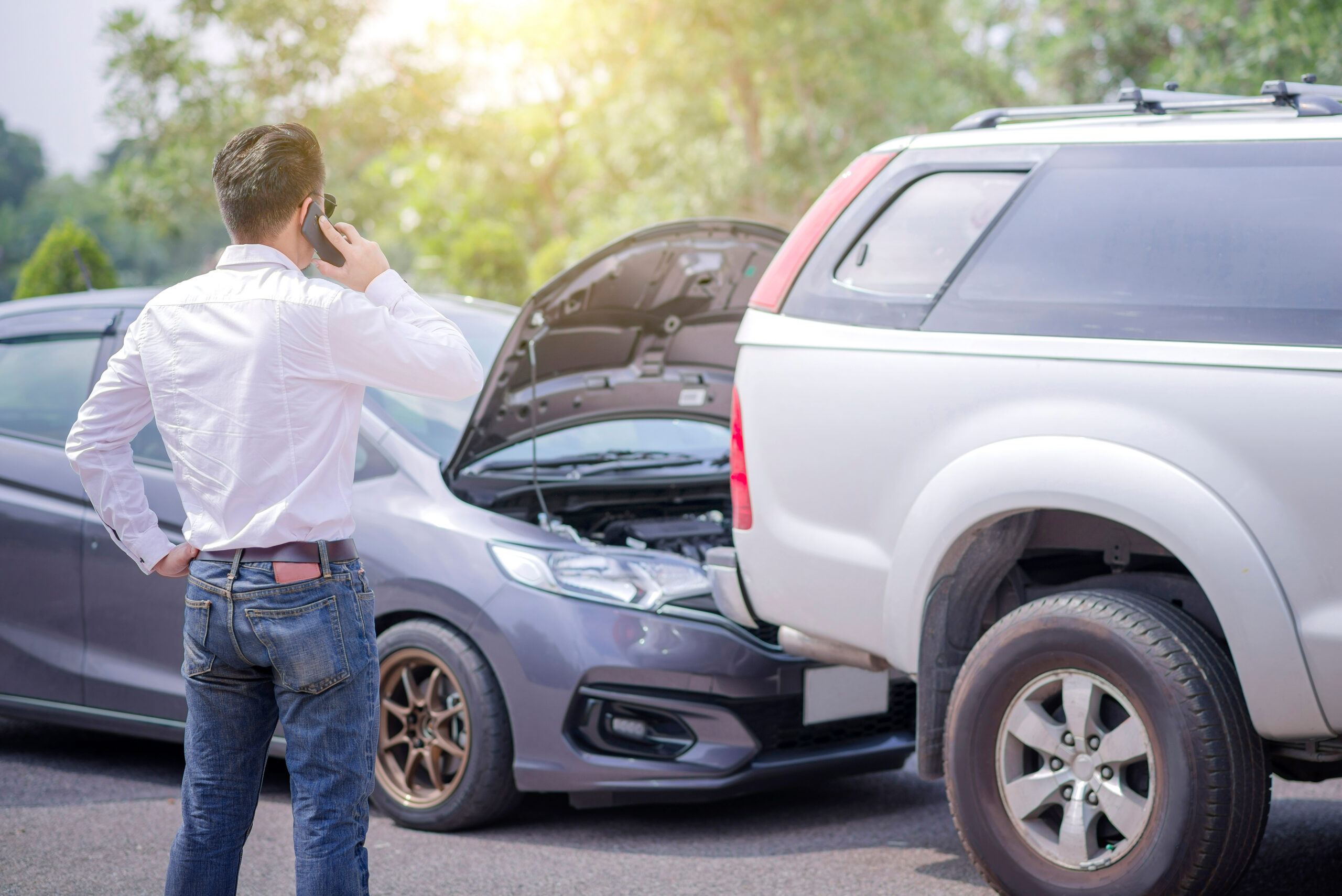
After a collision, check for injuries, get to safety, and document the incident once it’s safe to do so. Knowing What to Do and What Not to Do After a Collision helps you take the next step with a clearer head. Collision 24 put together this guide for you in Brockton, Easton, and Bridgewater, Massachusetts.
You can handle one thing at a time. People come first; vehicle repairs come later.
Key Takeaways
- Put safety and medical needs ahead of photographs or paperwork.
- Gather accurate information and check insurance and state reporting requirements.
- Get a damage evaluation before making repair decisions.
What Should I Do After a Collision?
Focus on immediate safety first, then collect the information you’ll need to explain what happened.
- Check for injuries: Call 911 for injuries, fire, or immediate danger, and follow the dispatcher’s instructions.
- Move to safety when appropriate: Turn on your hazard lights. If the vehicle can be moved safely, follow emergency instructions and applicable law.
- Contact the police: Explain the situation and follow instructions from responding officers or emergency personnel.
- Exchange information: Collect names, contact details, license plate numbers, and insurance information from the other involved parties.
- Document the scene safely: Photograph vehicle damage, road conditions, and the surrounding area from a safe position.
- Gather witness details: Ask willing witnesses for their names and contact information.
- Notify your insurer: Explain the facts promptly and ask about coverage, documentation, and next steps.
Keep your notes and photographs together so they’re ready when you need them.
What Not to Do after a Collision
Avoid actions that put you at risk or make the incident harder to document.
- Standing near moving traffic: Instead, choose a safe place away from roadway hazards.
- Remaining near fire or smoke: Instead, move away from danger and call 911 from a safe location.
- Leaving too soon: Instead, exchange required information, meet your legal obligations, and follow police instructions before departing.
- Guessing about fault: Instead, share what you observed and keep your account factual.
- Discarding accident records: Instead, save photographs, receipts, estimates, and relevant messages.
- Assuming damage is only cosmetic: Instead, arrange an evaluation to understand the full repair needs.
- Rushing into agreements: Instead, review the terms carefully and seek qualified legal advice when needed.
Give yourself a moment to regroup. Your safety comes first, and you can take each next step at your own pace.
Plan Your Vehicle’s Repair
A detailed evaluation helps establish what your vehicle needs and gives you a starting point for repair decisions.
Our body shop handles bumper and wheel repairs, computerized frame repairs, and paintless dent removal when appropriate. Collision-related mechanical and electrical concerns can also be evaluated.
Ask what the estimate includes, how additional damage will be handled, and when your approval is needed. Discuss insurance coordination or self-pay before authorizing work.
If your vehicle needs towing, ask about 24-hour towing assistance. You can also discuss rental and loaner options, including availability and any costs or insurance benefits that apply.
FAQs
Do I need to file a Massachusetts crash report?
Yes, if someone is injured or killed, or damage exceeds $1,000 to any one vehicle or other property. Generally, file within five days and send the required copies.
Can I pay for repairs myself?
Yes. Request an estimate and compare it with your deductible and coverage. Paying yourself doesn’t remove policy notification requirements or state crash-reporting obligations.
Can I choose my own repair shop?
Yes. You can choose your repair facility. Review your policy and discuss covered repair costs, parts, and any amount you may owe with your insurer.
Get Dependable Collision Repairs
Knowing what to do and what not to do after a collision helps you move forward after an accident in Brockton, MA, Easton, MA, or Bridgewater, MA. When you’re ready to address vehicle damage, Collision 24 can help you understand the repairs ahead.
Contact us to request an estimate and plan your next step.
*Source: Massachusetts RMV.