

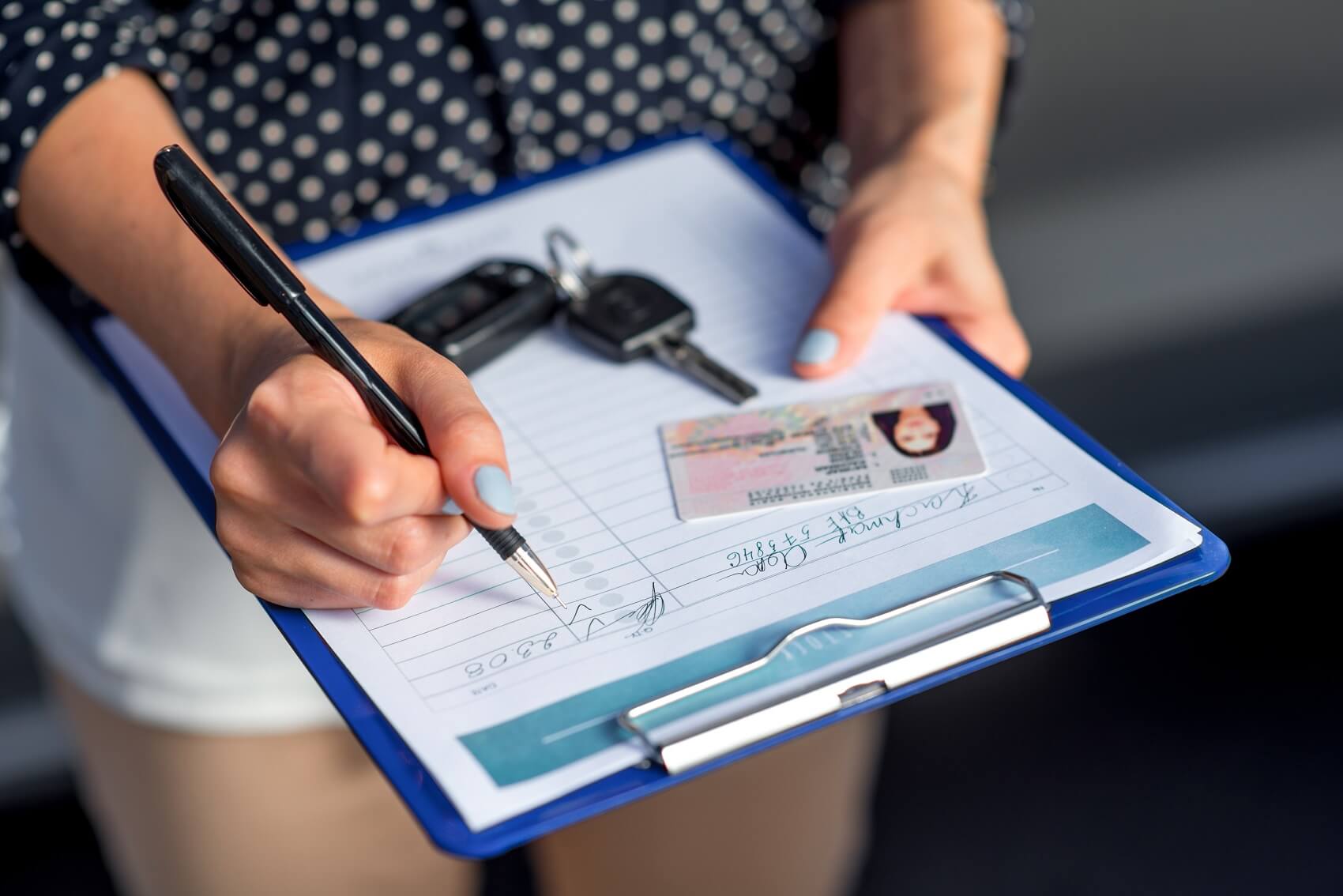
Filing an insurance claim is an important step to move on from an accident. Part of that process may be getting an appraisal of your damaged vehicle. Understanding how car appraisals work makes negotiating with an insurance adjuster easier and helps you reach a fair settlement. Collision 24 breaks down the process below to help you file a car accident claim.
If you’ve been in an accident in Brockton, Stoughton, or Randolph, Massachusetts, here’s what you need to know about the car appraisal process.
What’s the Point of a Car Appraisal?
Appraisals help insurance companies determine a vehicle’s fair value and the cost of its repairs after a car accident. Sometimes, repairs cost more than the car is worth, and the payment insurance companies provide is based on the appraisal’s value.
Understanding the Car Appraisal Process Step-By-Step
After a collision, here’s what happens before and during a typical car appraisal:
Contact Your Insurance Company
The first thing you need to do is report the accident to your insurance company. A claims adjuster may come directly to the scene to appraise your car or to a location where your vehicle has been towed.
Interview with an Appraisal Expert
An appraisal expert will interview you to determine the circumstances of the accident before evaluating the car’s damage. This helps the expert understand the kind of damage that may have occurred and who may be at fault.
Determining a Car’s Value
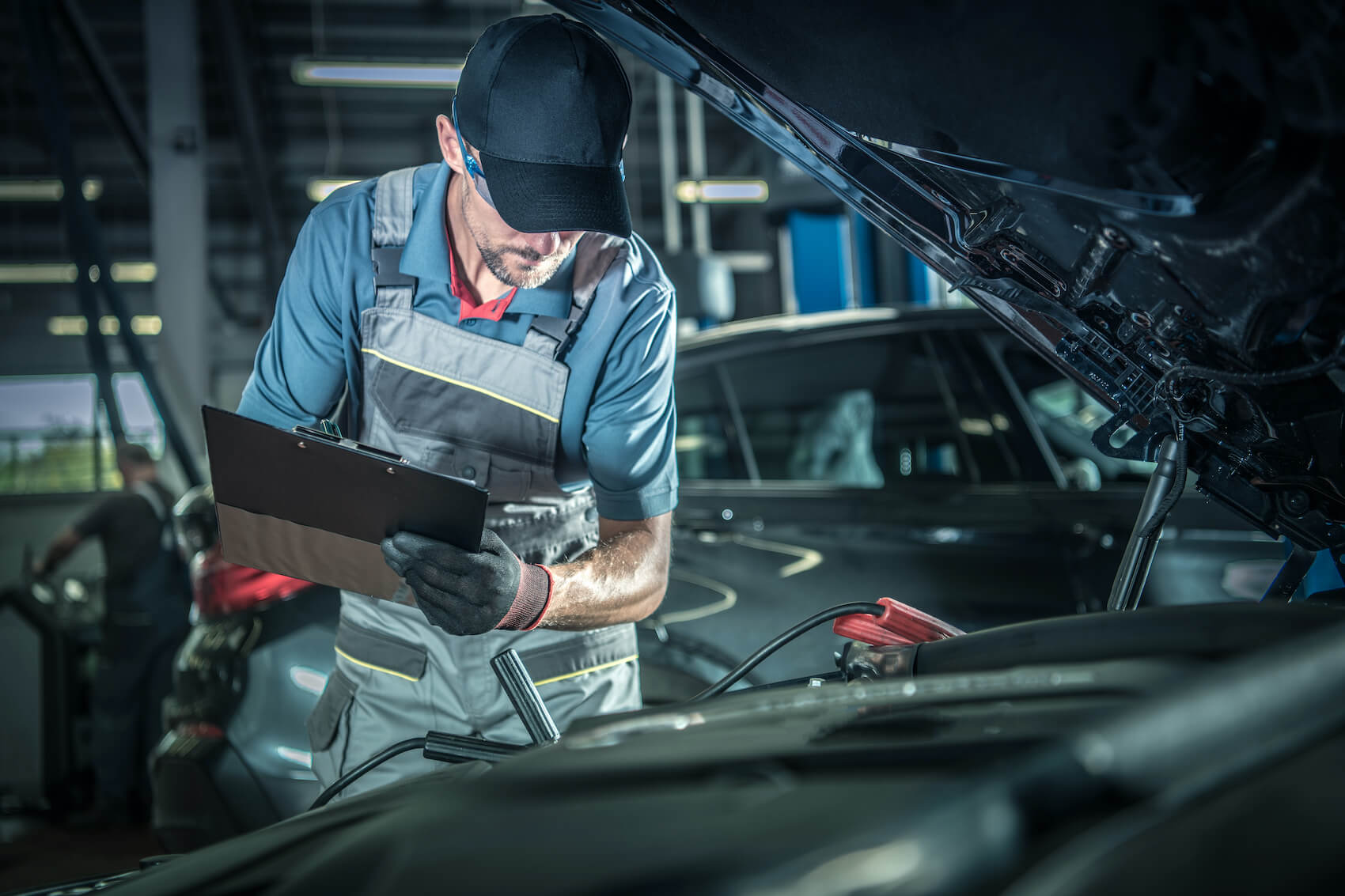
An appraiser looks at the car’s overall condition and the extent of its damage. They will then use specific criteria to determine the overall cost of coverage. This number is significant because it controls the coverage you receive under your policy.
Some Things to Keep in Mind
In some instances, damage is so severe that a car is totaled, meaning the car’s repairs would cost more than its value. As a result, your insurance agent may deem your vehicle a total loss. Repairing a totaled car is expensive and time-consuming, so accepting their payment of its value may be your best option.
Regardless, your insurance company is legally obligated to provide a fair price. If you feel their offer is low, you can increase their payment by showing proof of maintenance or mechanical improvements with receipts. This can help strengthen the case that your vehicle was worth more before the accident. Depending on your insurance company, you might be able to hire a third-party appraiser to look at your car.
What is a “total loss”?
How is diminished value defined?
Diminished value is the drop in your vehicle’s market value after an accident, even once repairs are finished. A vehicle with accident history can sell or trade for less simply because the collision shows up on a vehicle history report.
Also, even excellent repairs can leave subtle differences, such as refinished paint not matching factory application exactly, repaired metal having a different integrity than original panels, or structural areas being restored differently than factory production methods.
What are the three types of diminished value?
How long does an insurance appraisal take?
An insurance appraisal can move quickly or take longer depending on how much documentation is available and how complex the damage is.
Since several people are usually involved, including you, the body shop, and the insurance adjuster, timing often depends on scheduling and responsiveness. Keeping photos, receipts, and repair estimates organized and replying promptly to requests can help keep the claim moving at a steady pace.
What are signs your bumper needs repair or replacement?
Some bumpers can be refurbished, while others require replacement for safety and fit. Here are common signs that point to repair versus replacement:
- Cracked bumper: Many bumpers are made of plastic or fiberglass. Cracks can spread, allow moisture in, and lead to long-term damage, so replacement is usually the safer call.
- Damaged hooks or mounting points: Bumpers often rely on a hook-and-latch or bracket system. If mounts are bent or broken, the bumper may not stay secured properly, which can compromise safety.
- Heavy dents and deep scratches: A few surface marks may be repairable, but extensive dents and deep scratches across most of the bumper can cost more to restore than replacement.
Book an appointment and get specific insight from our experts.
Schedule a Car Appraisal at Collision 24
An accurate appraisal after a car accident is essential for your insurance claim. At Collision 24, our team of licensed appraisers will determine a fair value for your vehicle in the wake of a crash. We work with all major types of insurance and are here for all of your post-accident needs in Stoughton, Brockton, and Randolph, MA.
To speak with a licensed appraiser at Collision 24, schedule an appointment with us online or give us a call. We look forward to helping you get back on the road.
*Source: Kelley Blue Book